That bad breath isn’t just embarrassing—it’s your mouth (or body) sending a signal.
Whether it’s morning breath that overstays its welcome or a persistent odor that mints can’t mask, bad breath, or halitosis, is more than a personal nuisance. That’s how your body is showing signs of distress. At Bold Dental in Tulsa, we specialize in identifying the reasons behind bad breath and helping patients treat the root cause.
In-Office Exams Matter
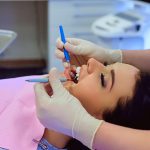
There’s no substitute for a dental chair when it comes to understanding the real reason behind bad breath. In-office exams allow your dentist to look beyond the surface and assess the true condition of your mouth. During a standard exam, our dental team will check:
- Periodontal pockets: Deep pockets around your teeth can harbor bacteria that produce foul-smelling sulfur compounds.
- Plaque and tartar: Build-up along the gumline becomes a breeding ground for odor-causing bacteria.
- Tongue and tonsils: The back of your tongue and tonsillar crypts often accumulate bacteria and debris.
- Restorative work: Your crowns, bridges, and dentures can trap food and bacteria if they aren’t fit properly or cleaned well.
We often identify key contributors during exams. For example, we see dry mouths frequently, often due to medications or tobacco use. A dry mouth lacks the saliva that naturally washes away bacteria, allowing odor to thrive.
Top Dental Causes & Dentists’ Interventions
Let’s break down the main dental culprits behind bad breath and how we can step in.
- Gum Disease
Gingivitis and periodontitis are leading causes of chronic bad breath. The bacteria that inflame your gums also release volatile sulfur compounds (VSCs).
How we address it: We use periodontal probing to measure pocket depth. If gum disease is present, we perform scaling and root planing to remove buildup under the gumline. We may also prescribe antibiotic rinses to target stubborn bacteria.
- Tooth Decay and Infections
Cavities and abscesses don’t just hurt—they smell. Rotting tooth material and bacterial infection can emit strong odors.
How we address it: A clinical exam paired with digital X-rays helps us pinpoint decay or infection. Treatment may involve fillings, root canals, or even tooth extraction if it is beyond repair.
- Tongue Coating and Coatings on Restorations
A coated tongue traps odor-producing particles. Similarly, old crowns or bridges can harbor plaque beneath their surfaces.
How we address it: We provide professional cleanings and demonstrate effective tongue scraping techniques. If restorative materials are contributing, we clean them thoroughly and may suggest replacement if they’re deteriorating.
- Faulty Crowns and Partials
Poorly fitting dental appliances aren’t just uncomfortable—they trap bacteria and food particles.
How we address it: We offer a full range of Cosmetic and Restorative Dentistry services to patients to look and feel their best. We can adjust or replace ill-fitting appliances and provide tips on proper hygiene.
When It’s Not Just the Mouth
Bad breath doesn’t always start in your mouth. Sometimes it’s a clue to a bigger issue.
- ENT-Related Issues
The ears, nose, and throat are closely connected to oral health. One common hidden cause? Tonsil stones. These hard white deposits form in the tonsil crypts, trapping bacteria and debris that produce a notoriously foul odor.
What we do: We recognize signs of tonsil stones during exams and can guide you on oral hygiene to prevent stones.
- Systemic Red Flags
Sometimes halitosis, or bad breath, is a symptom of a systemic condition:
- Diabetes can be a cause of bad breath.
- GERD (acid reflux) brings stomach acid into the mouth, leading to odor.
- Sinus infections produce post-nasal drip that coats the throat and tongue with bacteria.
Dentist-Recommended Daily Care
Daily habits are the front line in the battle against bad breath. Here’s what we recommend at Bold Dental in Tulsa, Oklahoma:
- Brushing: Brush your teeth, focusing evenly on all surfaces twice daily for two full minutes. An electric toothbrush helps.
- Flossing: Clean between your teeth once a day to remove trapped food and plaque.
- Tongue scraping: Use a tongue scraper every morning to remove debris and bacteria from the surface of the tongue.
- Mouthwash: Use a targeted rinse that contains CPC (cetylpyridinium chloride), which kills bacteria without drying out your mouth.
- Hydration: Drink plenty of water throughout the day.
- Diet: Reduce sugary foods and drinks. Limit alcohol and coffee, which can dry out the mouth. Include fibrous fruits and veggies that help cleanse your mouth naturally.
- Avoid triggers: Using tobacco and breathing through your mouth both reduce saliva production and increase odor risk.
When You Should See Us in Tulsa
Even with great hygiene, bad breath sometimes lingers. That’s when it’s time to come in.
Signs It’s Time for a Visit:
- Persistent or strong breath odor that doesn’t go away with home care.
- Bleeding gums, loose teeth, or gum sensitivity
- You haven’t had a dental check-up in 6 months or more
- You wear crowns, bridges, or dentures, and notice a change in odor
What We’ll Do:
- Perform a full oral examination, checking teeth, gums, tongue, tonsils, and restorations.
- Use periodontal probing to assess gum health.
- Take digital imaging if decay or infection is suspected.
- Provide a professional dental cleaning to remove hidden buildup.
Our goal is to find the source, explain your options clearly, and create a treatment plan that works.
FAQs
1. What causes bad breath even after brushing and flossing?
Even with good hygiene, bad breath can stem from issues below the gum line, such as early gum disease, tongue coating, dry mouth, or even decay under old fillings or crowns. A dental exam can help pinpoint the root cause.
2. Can bad breath be a sign of gum disease?
Yes, chronic bad breath is often one of the first signs of gum disease. When there is a buildup of plaque under the gums, it creates a breeding hub for bacteria that release smelling compounds. Early diagnosis by your dentist is key to reversing this.
3. How can our dentists help treat chronic bad breath?
Our dentists can clean buildup from hard-to-reach areas, treat gum infections, remove faulty dental work, recommend tongue cleaning, and offer products designed to balance oral bacteria.
4. When should I see a dentist about my bad breath?
If breath odor persists despite brushing, flossing, and using mouthwash—or returns quickly after cleaning—it’s time to visit a dentist. CLICK HERE to schedule your visit now. Bad breath is often a symptom of something deeper that’s easier to treat when caught early.Â
There Is a Fix
Bad breath doesn’t have to be a mystery. With the right evaluation and care, most causes can be identified and treated effectively. Whether it’s gum disease, an infection, dry mouth, or a signal from elsewhere in the body, we’re here to listen to what your breath is telling you.