Modern dental care offers many colorful options to fix a smile, yet many patients wonder about the longevity and value of traditional metals. When exploring various gold dental crown benefits, the most striking feature is how well the material stands up to the heavy pressure of chewing. Porcelain can sometimes chip under pressure, but gold alloy is strong and wears in a way that feels natural—similar to real enamel. Knowing why dentists still use these shiny crowns helps families make wise choices for long-term dental health.
The Durability of Metal Restorations
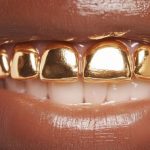
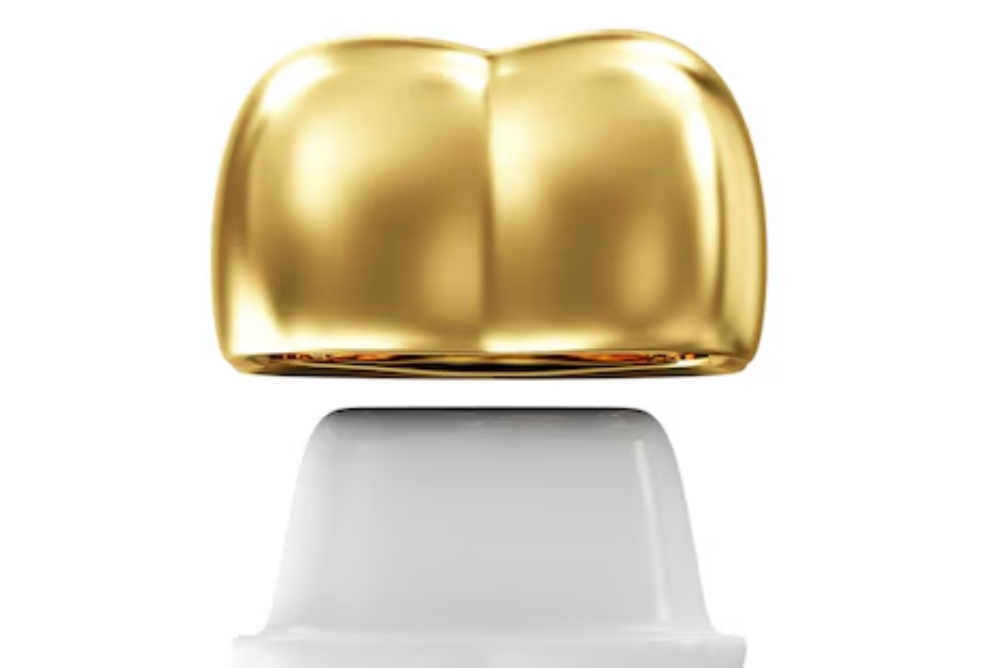
A crown serves as a protective helmet for a tooth weakened by a large cavity or a crack. Seeking out gold crowns near you is often a strategic move for teeth located in the very back of the mouth. Because molars do the heavy lifting when you eat crunchy or chewy foods, they require a material that will not snap or break. Gold is famous for its “malleability,” meaning it can be shaped into a fragile sheet while remaining incredibly strong.
Using a thin material allows a dentist to save more of the natural tooth structure during the preparation phase. Preserving as much of the original tooth as possible is always a goal for any dentist. Since gold expands and contracts at a rate very similar to natural teeth when exposed to hot or cold drinks, the seal remains tight, preventing bacteria from leaking beneath the restoration.
What Makes Gold Crowns a Smart Choice?
While some might worry about the color, the functional perks of metal alloys are hard to ignore. Here are the primary reasons why gold crowns are still popular among dental professionals and their patients:
- Gentle on Neighbors:Â Gold is soft enough that it does not wear down the natural teeth on the opposite jaw when you bite down.
- Longevity:Â With excellent care, these metal covers can stay functional for several decades without needing a replacement.
- Biocompatibility:Â Most people have zero allergic reactions to the high-quality gold alloys used in modern dentistry.
- Perfect Fit:Â Because gold is so easy to cast, the final piece fits onto the tooth with extreme precision.
- Plaque Resistance:Â Bacteria find it challenging to stick to the smooth, polished surface of a precious metal.
Is the appearance still fashionable?
The visual aspect of a smile is a personal choice. While many kids and adults prefer tooth-colored porcelain for their front teeth, the back of the mouth is a different story. Some people enjoy the unique golden glint in their eyes when they laugh, seeing it as a sign of high-quality craftsmanship. Because a dentist focuses on how the mouth functions as a whole, they might suggest gold for hidden areas where the extra strength is more important than a white appearance.
Comparing Gold to Porcelain and Zirconia
Every material has a specific job to do. Porcelain looks precisely like a real tooth but can be brittle. Zirconia is very tough and white, but it can be abrasive against other teeth. When a dentist evaluates a patient who grinds their teeth at night, gold often becomes the top recommendation. It offers a “middle ground” where the crown is strong enough to survive the grinding but soft enough to protect the rest of the mouth from damage.
How to Maintain Your Metal Restoration
Once a tooth is protected, the work of keeping it healthy continues at home. Even though the metal cannot rot, the natural tooth underneath and the gums around it still need attention.
- Daily Brushing:Â Use a soft brush to clean the gum line where the gold meets the natural tooth.
- Evening Flossing:Â Removing food particles from the margins of the crown helps prevent gum disease.
- Regular Checkups: Visiting a dentist near you twice a year ensures the edges of the metal remain perfectly sealed.
- Avoid Non-Food Objects: Biting on metal pens or ice can still damage the underlying tooth, even if the gold survives.
How Do Dentists Place a Gold Crown?
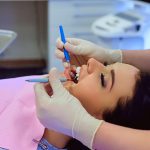
A new restoration usually requires two appointments. During the first visit, a dentist in Tulsa, OK, cleans the tooth and takes an impression. This mold is sent to a lab, where experts craft a gold alloy replica of your tooth.
At the second visit, the professional cements the piece into place. Once the glue sets, the tooth is ready for immediate use, allowing you to eat your favorite foods with total confidence.
Invest in a Lasting Smile
Your dental health is an investment that pays off every time you eat or speak. Choosing a material that lasts for the long haul reduces the need for future surgeries and saves money over time. At Bold Dental, our team provides expert guidance to help every patient find the right balance between strength and style. Whether you need a subtle repair or a sturdy gold restoration, our focus remains on your comfort and long-term success.
Book your appointment today.
Frequently Asked Questions
Are gold crowns still used for kids?
While silver-colored stainless steel is standard for baby teeth, gold is usually reserved for permanent teeth in adults. A dentist can explain which metal is best for the patient’s age and tooth type.
What are the primary advantages of gold dental crowns?
The biggest perks include extreme durability, a precise fit, and a gentle surface that protects the surrounding teeth from excessive wear. Many patients find that the benefits of gold dental crowns outweigh the desire for white teeth in the back of the mouth.
How long will a gold crown stay in place?
If you maintain excellent hygiene and visit a dentist regularly, these restorations can last 20 to 30 years. Some gold pieces have even been known to stay in perfect condition for a lifetime.
Does getting a crown involve a lot of pain?
The procedure is very similar to getting a filling. A dentist will use numbing medicine so you feel relaxed and comfortable while the tooth is being prepared and the crown is being placed.