Brushing your teeth is something we all do daily, often without a second thought. But what if we told you that many of us are doing it wrong? Even the most health-conscious individuals can make simple brushing mistakes that quietly damage their oral health over time. At Bold Dental, we believe in educating our patients so they can take control of their dental hygiene—and it all starts with proper brushing habits.
In this in-depth guide, we’ll cover the five most common toothbrushing mistakes, explain how they affect your teeth and gums, and show you exactly how to brush like a pro. Let’s make every brush count.
Mistake 1: Using the Wrong Toothbrush
Why It Matters
Choosing the right toothbrush is the foundation of effective oral hygiene. Many people assume that a hard-bristled brush will do a better job cleaning, but it can actually cause more harm than good. Hard bristles can wear down your enamel and cause gum irritation or recession over time.
What You Should Use Instead
Dentists recommend using a soft-bristled toothbrush with a small head to reach all corners of your mouth. Whether manual or electric, your brush should feel comfortable in your hand and fit easily into your mouth.
Pro Tip: Look for a toothbrush with the ADA Seal of Acceptance. Replace your toothbrush every 3–4 months—or sooner if the bristles look frayed.
Mistake 2: Brushing Too Hard
Why It Hurts More Than It Helps
Brushing harder doesn’t mean brushing better. In fact, using too much force can lead to a condition called dental abrasion—where enamel wears away and tooth sensitivity increases. Aggressive brushing can also push back your gums, exposing the roots and making your teeth more vulnerable to decay.
How to Brush Gently but Effectively
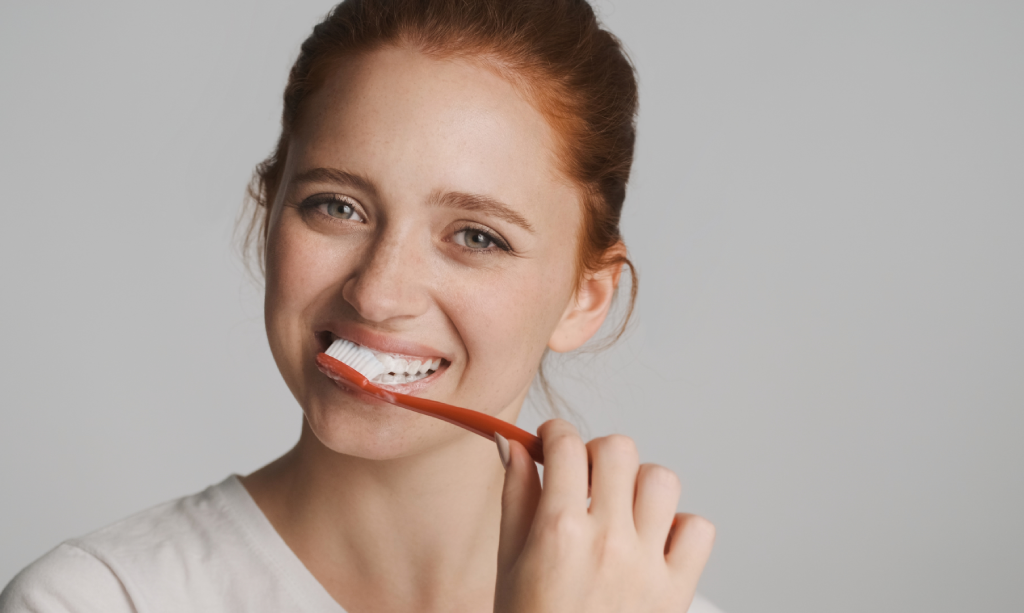
Use light pressure and small, circular motions, holding the toothbrush at a 45-degree angle to the gum line. If you’re using an electric toothbrush, let the brush do the work—just guide it gently.
Pro Tip: If you’re seeing bristles splayed outward after just a few weeks, you’re brushing too hard. Consider switching to a pressure-sensitive electric brush to guide your force.
Mistake 3: Not Brushing Long Enough
The Problem with Rushing
In our busy lives, brushing often becomes a mindless task we rush through. But studies show that most people brush for only 45 seconds—less than half of the recommended time. Inadequate brushing leaves plaque behind, which can harden into tartar and lead to gum disease.
The Right Way to Time It
The American Dental Association advises brushing your teeth for a full two minutes, twice daily. To make it easier, divide your mouth into four sections—upper right, upper left, lower right, and lower left—and spend about 30 seconds on each.
Pro Tip: Use a timer on your phone or opt for a toothbrush with a built-in timer to stay on track. Play a short song, hum your favorite tune, or even download a brushing app to stay on track.
Mistake 4: Brushing Right After Eating
Why Timing Is Everything
It’s tempting to brush your teeth immediately after a meal, especially after eating something sugary or acidic. But doing so can actually harm your enamel. Acid from food temporarily softens your enamel, and brushing right after can wear it away more easily.
What You Should Do Instead
Wait at least 30 minutes after eating before brushing your teeth. This allows your saliva to neutralize the acid and remineralize your enamel naturally.
Pro Tip: After a meal, rinse your mouth with water or chew sugar-free gum to stimulate saliva production while you wait to brush.
Mistake 5: Neglecting to Floss (Yes, It’s Part of Brushing!)
Why Brushing Alone Isn’t Enough
Your toothbrush only cleans the surfaces of your teeth—about 60% of them. The other 40%, the spaces between your teeth and under the gumline, require flossing. Without flossing, food particles and bacteria can settle in those hard-to-reach areas, increasing your risk of gum disease and cavities.
That’s why the American Dental Association (ADA) recommends flossing every day to effectively remove plaque and food particles.
How to Make Flossing a Habit
Incorporate flossing into your brushing routine. Use traditional floss, floss picks, or a water flosser—whatever works best for you.
Pro Tip: Floss, preferably at night before bed, so your mouth is clean while you sleep. Not a fan of traditional floss? Water flossers are a great alternative for people with braces, crowns, or dexterity challenges.
Bonus Mistakes You Might Be Making
Not Cleaning Your Tongue
Bacteria can build up on your tongue, causing bad breath and even contributing to plaque. Gently clean your tongue by using a tongue scraper or the back of your toothbrush, moving from the back toward the front.
Ignoring the Gum Line
When brushing, don’t just focus on the teeth. The area where your teeth meet your gums is where plaque often accumulates. Make sure to gently brush along the gumline to keep your gums healthy.
Not Replacing Your Brush After Illness
Germs can linger on toothbrushes. Always replace your toothbrush after recovering from a cold, flu, or any oral infection to avoid reinfection.
Brushing Like a Pro: The Right Routine
Here’s a quick step-by-step guide to brushing your teeth the right way:
- Start with the right toothbrush—soft bristles, small head.
- Apply a pea-sized amount of fluoride toothpaste.
- Hold your toothbrush at a 45-degree angle toward your gumline.
- Use gentle, circular motions.
- Spend at least 2 minutes—30 seconds per quadrant.
- Brush the front, back, and chewing surfaces of every tooth.
- Don’t forget to brush your tongue.
- Finish with flossing and rinsing.
Pro Tip: Make your oral care a ritual rather than a chore. Use music, reminders, or even reward systems for kids to build consistency.
The Impact of Better Brushing
By avoiding these five (plus bonus) common mistakes, you can dramatically improve your oral health. Brushing correctly helps:
- Prevent cavities
- Reduce gum inflammation
- Eliminate bad breath
- Avoid expensive dental procedures
- Boost your confidence with a healthy, bright smile
At Bold Dental, we see the results firsthand: patients who practice good brushing techniques enjoy fewer dental issues and healthier smiles overall.
Bold Dental: Because Every Smile Deserves Bold Attention
At Bold Dental, we go beyond the basics. We offer personalized dental care, modern tools, and a supportive environment to help you maintain excellent oral hygiene.
Whether you need a professional cleaning, a checkup, or just want to improve your daily routine, our team is here to support your smile goals with expert guidance and genuine care.
Ready to Brush Like a Pro?
Small changes in your daily brushing routine can lead to big results—and we’re here to guide you every step of the way. At Bold Dental, we don’t just care for teeth—we care for people. Whether you’re dealing with sensitive gums, confused about which brush to use, or simply want a healthier, brighter smile, our team is ready to help.
- Take the guesswork out of your oral care.
- Get expert advice tailored just for you.
- Feel the difference a professional dental visit can make.
Take the bold step today—your smile deserves nothing less. Schedule your visit online at Bold Dental or give us a call at 918-922-2653 to book your appointment. Have questions? We’re just a message away and always happy to help.