Choosing straighter, healthier teeth is a life-changing decision. At Bold Dental in Tulsa, we’re committed to empowering patients with knowledge, confidence, and advanced solutions for every orthodontic need. This comprehensive guide will help you understand today’s orthodontic options, how they work, and which may be right for you or your child.
Whether you’re exploring braces for your teen, clear aligners for yourself, or interceptive care for a younger child, you’ll find expert insights here!
1. What Is Orthodontics?
Orthodontics is a dental specialty focused on diagnosing, preventing, and correcting misaligned teeth and jaws. Orthodontic treatments help create healthy bites, improve oral function, boost self-confidence, and prevent future dental issues like tooth decay, gum disease, and jaw discomfort.
2. Why Orthodontic Treatments Matter
A straight, well-aligned smile is about more than appearance. Benefits of orthodontic treatment include:
- Improved ability to clean teeth, reducing risk of cavities and gum disease.
- Proper chewing and speech.
- Reducing stress on jaw joints and muscles.
- Boosted confidence and quality of life.
3. The Phases of Orthodontic Treatment
Orthodontic care typically follows three stages:
- Initial Evaluation: Digital X-rays, impressions, and a custom treatment plan.
- Treatment/Movement: Braces, aligners, or appliances gradually shift teeth or jaw alignment.
- Retention: Retainers hold teeth in their new positions after treatment to ensure lasting results.
4. Main Types of Orthodontic Treatments
Traditional Metal Braces
- How they work: Metal brackets are attached to teeth and connected by wires, applying gentle pressure to guide teeth into position.
- Best for: All ages and a wide range of alignment issues, including complex cases.
- Pros: Reliable, controllable, effective.
- Cons: Visible; may cause initial discomfort or soreness.
Ceramic Braces
- How they work: Similar to metal braces, but brackets are clear or tooth-colored for a less noticeable look.
- Best for: Patients seeking a more discreet alternative to metal braces.
- Pros: Blends with natural teeth; as effective as metal in most cases.
- Cons: More prone to staining; can be slightly more fragile.
Lingual Braces
- How they work: Brackets are placed on the back (lingual) side of teeth, hiding them from view.
- Best for: Adults and teens who are highly concerned about aesthetics.
- Pros: Nearly invisible from the front.
- Cons: Can affect speech at first; more challenging to clean and adjust.
Clear Aligners (e.g., Invisalign)
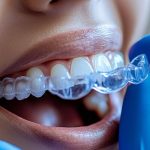
- How they work: Custom-made, clear plastic trays are worn over the teeth and changed every 1–2 weeks to gently shift teeth.
- Best for: Mild to moderate alignment issues; adults and teens preferring an invisible solution.
- Pros: Removable for eating and cleaning; virtually invisible.
- Cons: Requires discipline—must be worn 20–22 hours/day; not ideal for complex cases.
Self-Ligating Braces
- How they work: Use special clips instead of elastics to hold wires, reducing friction and often shortening treatment time.
- Best for: Patients seeking fewer appointments and possibly a more comfortable experience.
- Pros: May be easier to clean; shorter chair times.
- Cons: Still visible; not suitable for every patient.
Removable & Functional Appliances
- How they work: Devices such as removable braces or functional appliances (like Twin Blocks) are used to adjust bite or jaw growth, often in children whose bones are still developing.
- Best for: Treating young patients with jaw misalignment or bite issues.
- Pros: Targets specific growth patterns; usually worn for a set period daily.
- Cons: Commitment required to wear as directed.
Retainers
- How they work: Custom appliances (removable or fixed) are worn after braces or aligner treatment to maintain tooth position.
- Pros: Essential for lasting results.
- Cons: Teeth can shift if retainers are not worn as prescribed.
5. Early (Interceptive) Orthodontics at Bold Dental
Bold Dental recognizes the power of early orthodontic evaluation. The American Association of Orthodontists recommends assessment by age 7. Early intervention can:
- Prevent more serious issues from developing.
- Guide jaw growth.
- Maintain space for adult teeth with space maintainers.
- Address crossbites or crowding with palatal expanders.
Interceptive treatments are often simpler, faster, and less invasive than waiting until adulthood.
6. Orthodontics for Adults: Expanding Options
Orthodontics is no longer just for teens! Adults benefit from advances like:
- Tooth-colored or lingual braces for minimal visibility.
- Clear aligners for a subtle approach.
- Solutions tailored to your lifestyle and schedule.
Adults may require coordinated treatments (e.g., with implant or periodontal specialists) to accommodate unique needs.
7. What to Expect During Treatment
Timeline
Most orthodontic treatments last 1–3 years, depending on the complexity and patient compliance.
Adjustments
Regular checkups every 4–6 weeks keep your treatment on track, with wire changes, new aligners, and monitoring.
Life with Braces or Aligners
Expect:
- Mild initial discomfort after adjustments.
- Modified diet (avoid chewy, hard, or sticky foods with braces).
- Meticulous oral hygiene—cleaning around brackets or aligners—is crucial for cavity prevention.
- Occasional breakages or emergencies may require extra visits.
After active treatment, most patients shift to retainers to preserve their new smile.
Myths and Frequently Asked Questions
1: Are orthodontic treatments only for kids?
A: No—people of all ages benefit, including adults who missed out on earlier treatments or who want to correct shifting teeth.
2: Will orthodontic treatments hurt?
A: There’s some discomfort initially or after adjustments, but it’s usually mild and temporary.
3: Can I play sports or instruments with braces?
A: Yes, but use a mouthguard for contact sports and expect some adaptation for wind instruments.
4: Can clear aligners treat all orthodontic issues?
A: No, aligners are best for mild to moderate problems. Severe cases may need braces or other appliances.
Why Choose Bold Dental for Orthodontics
Expert, Personalized Care
Our approach includes:
- Comprehensive evaluation for children, teens, and adults.
- Interceptive early interventions to avoid bigger problems later.
- State-of-the-art solutions: braces (metal, ceramic, lingual), aligners, expanders, retainers, and more.
- Customized plans for every patient, always focused on long-term health and confidence.
Community Focus
We understand that every smile (and every family) has unique needs. Our compassionate team delivers gentle, judgment-free care and clear communication at every step.
Conclusion & Resources
Orthodontic treatment is more advanced, comfortable, and flexible than ever before. Whether you’re seeking preventive care for your child, discreet adult aligners, or traditional braces, Bold Dental in Tulsa is ready to guide you towards your healthiest and most confident smile.Ready to explore your options? Call Bold Dental today at (918) 922-2653 to schedule your comprehensive orthodontic evaluation. The sooner you begin, the closer you are to the smile you deserve!